Understanding Average Cost: Active Sound System Installation

Discover the Average Cost of Installing an Active Sound System: Your Complete Guide to Maxhaust and Electronic Exhaust Pricing

Installing an active sound system in your vehicle can significantly enhance your driving experience, providing a unique auditory profile that matches your preferences. This comprehensive guide will explore the average costs associated with installing an active sound system, particularly focusing on the Maxhaust brand, known for its innovative electronic exhaust systems. Readers will learn about the various factors influencing installation costs, the benefits of active sound systems, and the options available for customization. Many vehicle owners seek to improve their car’s sound profile but may be unsure about the financial commitment involved. This article will break down the costs, helping you make an informed decision. We will cover the workings of active sound systems, pricing for Maxhaust products, installation costs, and whether to opt for DIY or professional installation.
The increasing adoption of active sound control in the automotive sector is largely due to its ability to improve the driving experience and address cost efficiencies.
Active Sound Control: Cost Reduction & Enhanced Driving Experience
Active sound control has seen extensive use in a variety of industries and has been a potential tool for noise and vibration control engineers in the automotive industry since the late 1980s. However, it has only relatively recently begun to be more widely adopted within the automotive sector. This is in part due to a reduction in the cost of implementation, but also due to changes in vehicle powertrain systems and the resulting NVH challenges, as well as the evolving demands of consumers. For example, active sound control technology can be used to not only reduce noise in the automotive environment, but to enhance the driving experience through the manipulation of powertrain noise or the provision of advanced infotainment features.
Active sound control in the automotive interior, J Cheer, 2020
The growing adoption of active sound control in the automotive industry is driven by its ability to enhance the driving experience and address evolving consumer demands, alongside reductions in implementation costs.
Automotive Active Sound Control: Enhancing Driving Experience & Addressing Costs
Active sound control has seen extensive use in a variety of industries and has been a potential tool for noise and vibration control engineers in the automotive industry since the late 1980s. However, it has only relatively recently begun to be more widely adopted within the automotive sector. This is in part due to a reduction in the cost of implementation, but also due to changes in vehicle powertrain systems and the resulting NVH challenges, as well as the evolving demands of consumers. For example, active sound control technology can be used to not only reduce noise in the automotive environment, but to enhance the driving experience through the manipulation of powertrain noise or the provision of advanced infotainment features.
Active sound control in the automotive interior, J Cheer, 2020
What Is an Active Sound System and How Does It Enhance Your Vehicle?
An active sound system is a sophisticated audio enhancement technology designed to simulate engine sounds, providing a more engaging driving experience. These systems utilize electronic components to generate sound that mimics the vehicle’s engine, enhancing the auditory feedback for the driver and passengers. By integrating with the vehicle’s existing audio system, active sound systems can create a more immersive environment, making driving more enjoyable. The primary benefit of these systems is the ability to customize sound profiles, allowing drivers to choose the sound that best fits their style and preferences.
Further research elaborates on how these personalized systems allow drivers to fine-tune their vehicle’s auditory output to an unprecedented degree.
Personalized Engine Sound Systems for Custom Driving Experience
The PESS (Personalized Engine Sound System) has been developed for making a unique and individually customizable vehicle concept. The system allows the customers an opportunity to create a variety of engine sounds in a single vehicle using active sound design technology.In this system, three different engine sound concepts are pre-defined, Dynamic, Sporty, and Extreme. Each of the engine sounds can then be adjusted with parameters that determine the timbre, such as main order, rumble, and high order. In addition, the pedal position during acceleration has also been used as a parameter to further personalize the experience.
Development of personalized engine sound system using active sound design technology, DC Park, 2015
Research highlights the growing importance of personalized sound systems in enhancing vehicle image and driver satisfaction.
Personalized Active Sound Systems for Vehicle Customization
An important trend among vehicle NVH engineers is the production of attractive engine acceleration sound quality for the enhancement of a vehicle’s image and performance. In addition, customers have increasing interest and enjoyment in customizing their cars to reflect their personal taste and preferences. The PESS (Personalized Engine Sound System) has been developed for making a unique and individually customizable vehicle concept. The system allows the customers an opportunity to create a variety of engine sounds in a single vehicle using active sound design technology.
Development of personalized engine sound system using active sound design technology, DC Park, 2015
How Do Active Sound Systems Work to Simulate Engine Sounds?
Active sound systems work by using a combination of microphones, speakers, and sound modules to capture and reproduce engine sounds. The system analyzes the vehicle’s performance data, such as RPM and throttle position, to generate sounds that correspond to the engine’s behavior. This technology allows for real-time sound modulation, ensuring that the audio output matches the driving conditions. The result is a dynamic sound experience that enhances the overall driving pleasure.
What Are the Benefits of Active Sound Systems for Diesel, Gasoline, Hybrid, and Electric Vehicles?
Active sound systems offer several benefits across different vehicle types. For diesel and gasoline vehicles, these systems can enhance the sporty feel of the engine, providing a more thrilling driving experience. Hybrid and electric vehicles, which often lack the traditional engine noise, can benefit from active sound systems by adding a layer of auditory feedback that enhances the driving experience. Additionally, these systems allow for sound customization, enabling drivers to select sounds that reflect their personal style, whether they prefer a deep growl or a high-pitched roar.
For electric vehicles, active sound design is particularly vital for creating a distinct brand identity and shaping the driver’s perception of the vehicle.
EV Active Sound Design: Brand Identity & Driver Perception
In recent years, active sound design (ASD) has become one of the most important research topics in the field of active sound control technology. For electric vehicles (EVs), road noise and wind noise become the dominant contributors to the interior noise level due to the elimination of internal combustion engines (ICEs). In this case, different vehicle brands tend to resemble each other in the perspective of the interior sound quality, leading to the loss of the distinctive interior sound characteristics and brand image. In order to restore the brand DNA characteristics, ASD is a viable and implementable choice to break the dilemma the next-generation EVs would confront. Sound amplitude control strategy plays a key role in drivers’ subjective perception during dynamically operating an EV equipped with an ASD system.
Sound pressure level control methods for electric vehicle active sound design, 2021
Specifically for electric vehicles, the absence of traditional engine sound presents unique challenges and opportunities for enhancement.
Engine Sound Enhancement & Customization for EVs
Everyday car makers face important challenges in the automotive design and development. One of these is represented by the absence of acoustic feedback from the electric vehicles, leading to reduced safety for road users and worse driving experience, as engine sound is essential for taking decisions when traveling without the need of looking at the rev and speed indicators. Another core topic in the automotive field is the growing request for customization of the motor sound, aiming at making it more powerful and attractive for car users. This thesis work, developed in collaboration with the Electronics division of Marelli Europe S.p.A. located in Venaria Reale (TO), proposes a solution to emphasize the motor sound but also to create it in the case of noise-free vehicles, using a single recording of a thermal engine that identifies the vehicle acoustic fingerprint.
Engine sound enhancement and customization based on granular synthesis, 2020
Furthermore, active sound design plays a crucial role in establishing brand identity and influencing driver perception in the evolving EV market.
Active Sound Design for EV Brand Identity and Driver Perception
In recent years, active sound design (ASD) has become one of the most important research topics in the field of active sound control technology. For electric vehicles (EVs), road noise and wind noise become the dominant contributors to the interior noise level due to the elimination of internal combustion engines (ICEs). In this case, different vehicle brands tend to resemble each other in the perspective of the interior sound quality, leading to the loss of the distinctive interior sound characteristics and brand image. In order to restore the brand DNA characteristics, ASD is a viable and implementable choice to break the dilemma the next-generation EVs would confront. Sound amplitude control strategy plays a key role in drivers’ subjective perception during dynamically operating an EV equipped with an ASD system.
Sound pressure level control methods for electric vehicle active sound design, 2021
How Much Does a Maxhaust Active Sound System Cost?
The cost of a Maxhaust active sound system can vary based on the model and features selected. Generally, the price range for Maxhaust systems is competitive, reflecting the advanced technology and customization options available. Understanding the pricing structure can help potential buyers make informed decisions about their investment in vehicle sound enhancement.
What Are the Prices of Maxhaust Active Sound CS and XXL-CS Models?
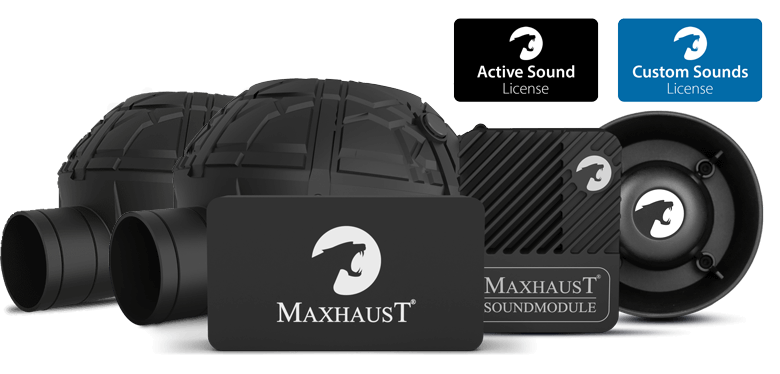
The Maxhaust Active Sound CS model is priced at approximately €1,199, while the larger XXL-CS model is available for around €1,499. These prices reflect the advanced features and capabilities of each model, catering to different preferences and vehicle types. The Active Sound CS is ideal for those seeking a balance of performance and affordability, while the XXL-CS offers enhanced sound modulation capabilities for a more immersive experience.
What Additional Components Affect the Total System Price?
- Deep Speaker: Enhances low-frequency sound reproduction, typically priced around €299.
- High Speaker: Provides clarity for higher frequencies, costing approximately €199.
- Sound Module: Essential for sound generation and modulation, usually priced at €249.
What Are the Typical Installation Costs for Active Sound Systems?
Installation costs for active sound systems can vary widely based on several factors, including labor rates, installation complexity, and the specific vehicle model. Understanding these costs is crucial for budgeting your project effectively.
How Do Labor Rates and Installation Complexity Influence Pricing?
Labor rates for installation can range from $75 to $150 per hour, depending on the region and the expertise of the technician. The complexity of the installation also plays a significant role; systems that require extensive modifications or integration with existing vehicle electronics may incur higher labor costs. On average, installation can take between 2 to 4 hours, leading to a total labor cost of $150 to $600.
What Factors Affect Installation Costs Based on Vehicle Type and Region?
Installation costs can vary based on the type of vehicle and the region where the installation takes place. For instance, luxury vehicles may require specialized knowledge, leading to higher installation fees. Additionally, urban areas often have higher labor rates compared to rural regions. It’s essential to consider these factors when estimating the total cost of installation.
Should You Choose DIY or Professional Installation for Your Active Sound System?
When deciding between DIY and professional installation for your active sound system, it’s important to weigh the pros and cons of each approach. Both options have their merits, and the best choice depends on your skills and comfort level with automotive modifications.
What Are the Pros and Cons of DIY Installation?
DIY installation can save money on labor costs and provide a sense of accomplishment. However, it requires a certain level of technical skill and knowledge about vehicle electronics. Mistakes during installation can lead to costly damages or suboptimal performance. Therefore, while DIY may be appealing, it is crucial to assess your capabilities realistically.
Why Is Professional Installation Recommended for Maxhaust Systems?
Professional installation is often recommended for Maxhaust systems due to the complexity of the technology involved. Experienced technicians can ensure that the system is installed correctly, optimizing performance and sound quality. Additionally, professional installation often comes with warranties and guarantees, providing peace of mind for the investment made in the sound system.
How Can You Customize Your Maxhaust Active Sound System?
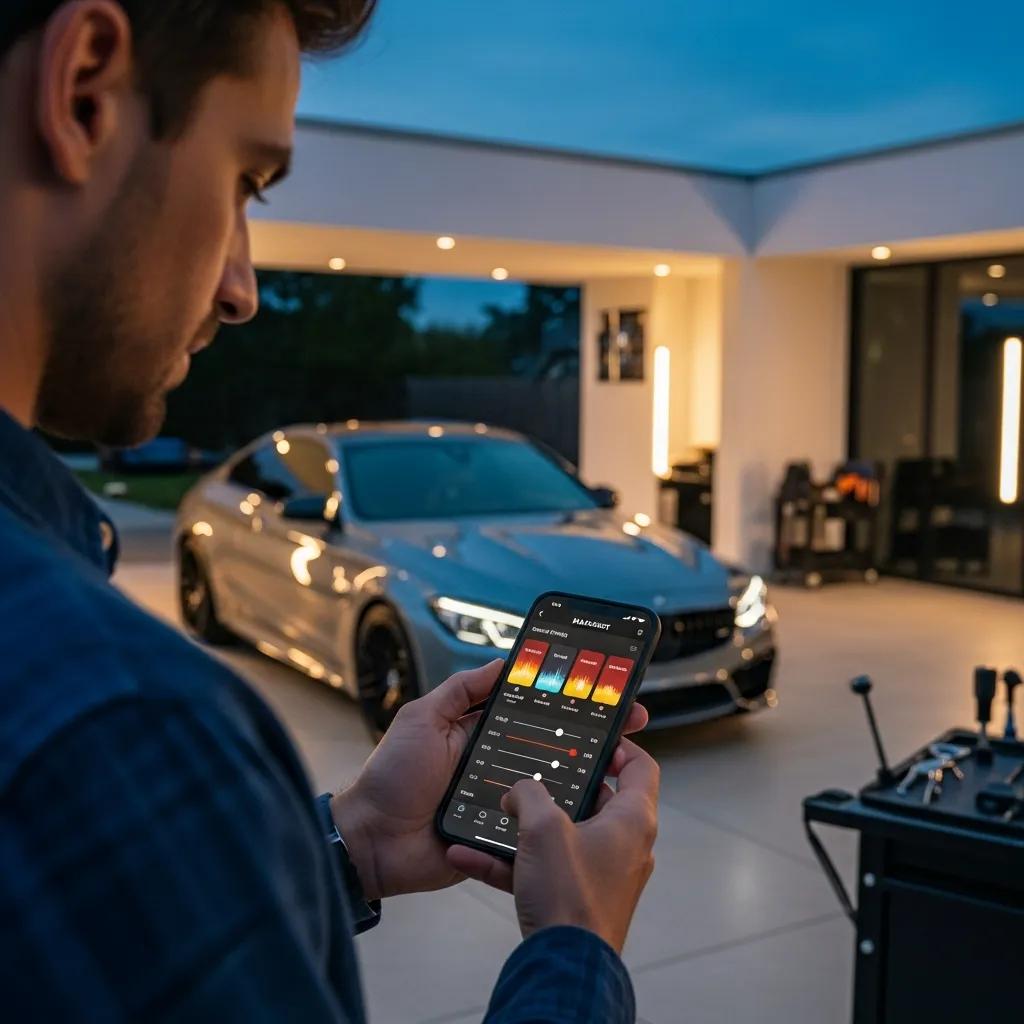
Customization is a key feature of Maxhaust active sound systems, allowing users to tailor their auditory experience to their preferences. Understanding the available options can enhance your overall satisfaction with the system.
The emphasis on personalization in vehicle acoustics reflects a broader trend where drivers seek to customize their cars to match individual tastes and preferences.
Personalized Engine Sound Systems: Customizing Vehicle Acoustics
An important trend among vehicle NVH engineers is the production of attractive engine acceleration sound quality for the enhancement of a vehicle’s image and performance. In addition, customers have increasing interest and enjoyment in customizing their cars to reflect their personal taste and preferences.The PESS (Personalized Engine Sound System) has been developed for making a unique and individually customizable vehicle concept. The system allows the customers an opportunity to create a variety of engine sounds in a single vehicle using active sound design technology.
Development of personalized engine sound system using active sound design technology, DC Park, 2015
What Is the Custom Sounds License and How Does It Work?
The Custom Sounds License allows users to access a variety of sound profiles that can be downloaded and installed on their active sound system. This feature enables drivers to experiment with different sounds, ensuring that their vehicle’s audio profile matches their personal style. The license typically includes a range of engine sounds, from sporty to classic, providing ample options for customization.
How Does the Maxhaust App Control Sound Profiles and Features?
The Maxhaust app serves as a user-friendly interface for controlling sound profiles and features of the active sound system. Through the app, users can easily switch between different sound settings, adjust volume levels, and even create custom sound profiles. This level of control enhances the user experience, allowing for a personalized auditory environment while driving.
What Legal Considerations Should You Know About Active Sound System Installation?
Before installing an active sound system, it’s essential to be aware of the legal considerations that may apply in your region. Understanding these regulations can help you avoid potential issues down the line.
Are Maxhaust Active Sound Systems Legal in All Regions?
Maxhaust active sound systems are generally legal in most regions; however, specific regulations may vary by state or country. It’s important to check local laws regarding vehicle modifications to ensure compliance. Some areas may have restrictions on sound levels or specific types of modifications, so being informed is crucial.
What Regulations Affect Vehicle Sound Modifications?
Regulations regarding vehicle sound modifications often focus on noise levels and emissions. Many jurisdictions have laws that limit the maximum allowable sound output from vehicles, particularly in residential areas. Understanding these regulations can help you choose a sound profile that complies with local laws while still enhancing your driving experience.