The Ultimate Guide to Electronic Exhaust Systems
Whether you drive a turbocharged BMW, a hybrid SUV, or an electric car, electronic exhaust technology lets you control your exhaust sound instantly. Loud when you want attention. Quiet when you don’t.
In the realm of automotive engineering, one component has gained attention for its innovative approach to sound and performance: the electronic exhaust system. This modern technology not only enhances the driving experience but also offers a customizable auditory experience that caters to individual preferences. In this guide, we’ll explore what an electronic exhaust system is, how it works, its benefits, and its impact on modern vehicles.
What Is an Electronic Exhaust System?
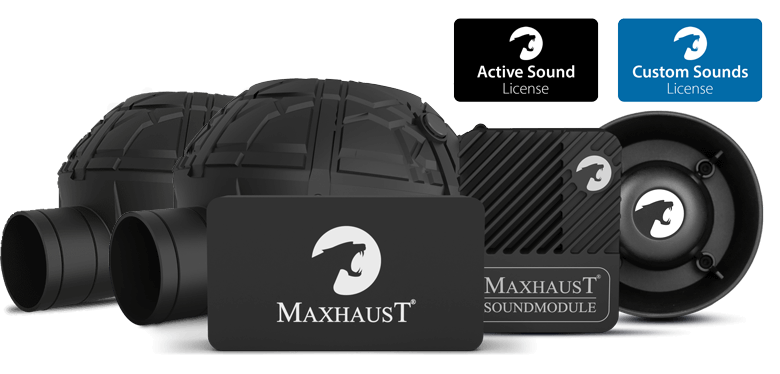
An electronic exhaust system is a sound-enhancement technology that uses digital sound generators, valves, and processors to produce or amplify exhaust tone.
Depending on your setup, it can:
- Enhance the real exhaust note of combustion engines.
- Simulate realistic performance sound for hybrid or electric vehicles.
It’s the ultimate way to personalize your car’s sound experience — without permanent mechanical modifications.
Key Components of Electronic Exhaust Systems
- Actuators: These devices control the opening and closing of valves in the exhaust system. They can be operated manually by the driver or automatically based on driving conditions.
- Exhaust Valves: Located within the exhaust pipes, these valves can open or close to modify the exhaust flow. When closed, they can create a deeper sound by restricting flow; when open, they allow for maximum flow and a more aggressive sound.
- Control Module: This electronic component manages the system’s operations, often interfacing with the vehicle’s computer to respond to throttle input, speed, and driving modes.
- Sound Enhancers: Some systems include sound enhancers that amplify the engine noise, providing a sportier auditory experience.
How Electronic Exhaust Systems Work
The operation of an electronic exhaust system can be broken down into several key functions:
- Sound Customization: Drivers can select different sound modes, ranging from quiet and refined to loud and aggressive, often through the vehicle’s infotainment system or dedicated buttons on the dashboard.
- Performance Tuning: By adjusting the exhaust flow, these systems can improve engine performance. A more open exhaust can reduce back pressure, enhancing horsepower and torque during acceleration.
- Dynamic Response: Electronic exhaust systems can adapt in real-time based on driving conditions, such as changes in throttle position or speed, making for an engaging driving experience.
Why Drivers Love It?
Electronic exhausts aren’t just about sound — they’re about freedom, emotion, and control.
| Benefit | Why It Matters |
|---|---|
| Customizable Sound Profiles | Switch from silent to sport instantly. |
| Street-Legal Options | Stay within legal noise limits anywhere. |
| Instant Control | Use your smartphone to control tone and mode. |
| No Engine Modifications | Plug-and-play installation with minimal wiring. |
| Emotion on Demand | Make every drive exciting again. |
Whether you want a deep V8 tone for your turbocharged coupe or subtle growl for your hybrid, you’re in control of how your car sounds.
Are Electronic Exhaust Systems Legal?
Yes — most electronic exhaust systems are legal, as long as they follow local sound regulations.
- Systems with adjustable or off modes comply with EU and US standards.
- Loud “always-on” setups or muffler deletes may exceed decibel limits.
Brands like Maxhaust, Thor, and Torqit engineer their systems to stay within road-legal levels while still sounding incredible.
Did you know? Most regions allow cars up to 95 decibels under acceleration — that’s about as loud as a hair dryer, but a lot more thrilling.
How Much Does an Electronic Exhaust Cost?
Pricing varies based on your vehicle type, sound goals, and installation:
| System Type | Typical Cost | Ideal For |
|---|---|---|
| Entry-Level Sound Booster | $500 – $900 | Subtle sound for daily drivers or EVs |
| Dual-Speaker System | $1,000 – $1,800 | Realistic tone for performance cars |
| Custom Multi-Speaker Setup | $2,000 – $3,000+ | Maximum realism and personalization |
Most systems are plug-and-play and can be installed in a few hours. Professional installation ensures a clean fit and full integration with your ECU.
How Much Does an Electronic Exhaust Cost?
It’s not just for electric cars — it’s for everyone who loves sound as part of driving.
- Performance Enthusiasts: Amplify exhaust tone, reduce drone.
- Hybrid Owners: Blend quiet cruising with sport-mode growl.
- EV Drivers: Add a realistic, responsive sound signature.
“My Golf R sounds like a beast in Sport mode and goes silent in Eco. I can finally choose how my car feels.” — Mark O.
How Much Does an Electronic Exhaust Cost?
Looking for the best brands? Here are the top-rated systems this year:
Each brand offers different tone profiles, speaker modules, and app features — choose one that matches your vehicle and style.
Ready to Give Your Car Its Voice Back?
Bring emotion back to your drive.
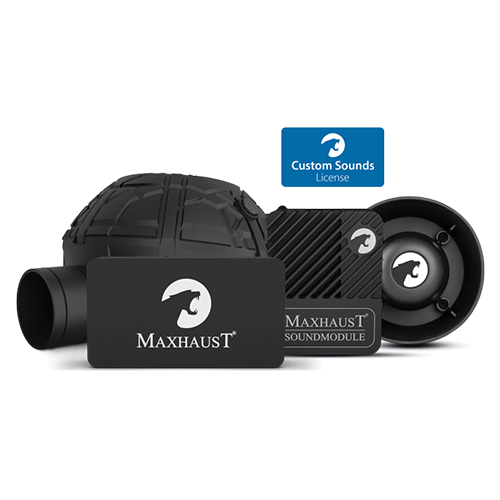
Explore Maxhaust Electronic Exhaust Systems — engineered sound for modern vehicles.
Plug. Play. Roar.
Frequently Asked Questions (FAQ)
1. Are electronic exhaust systems legal?
Yes. Most electronic exhausts are legal if they include adjustable or off modes. Always check your region’s noise regulations before installing.
2. Do electronic exhaust systems increase horsepower?
No. They don’t affect engine performance — they enhance the sound experience.
3. Can I install an electronic exhaust myself?
Some systems are plug-and-play, but professional installation ensures proper ECU integration and wiring.
4. Can I use an electronic exhaust on an electric or hybrid vehicle?
Absolutely. Many systems, like Maxhaust, are designed for both combustion and electric powertrains.
5. How long does installation take?
Typically 2–3 hours for a standard kit. Complex systems with multiple speakers may take longer.